
What To Pack For A Great Migration Safari
What To Pack For A Great Migration Safari : The Great Wildebeest Migration is one of the most remarkable wildlife spectacles on earth, and a must-do experience for safari goers. Seeing the Great Migration is a once in a life experience requiring booking in advance (up to a year) and plenty of planning from your tour provider and guides, however once your booking is secured, the remaining question is what to pack.
In this blog we have covered all you need to know about “What to Pack for a Great Migration Safari’
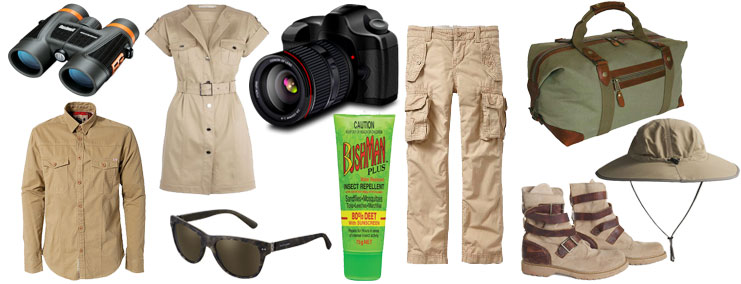
- Binoculars and Camera Equipment
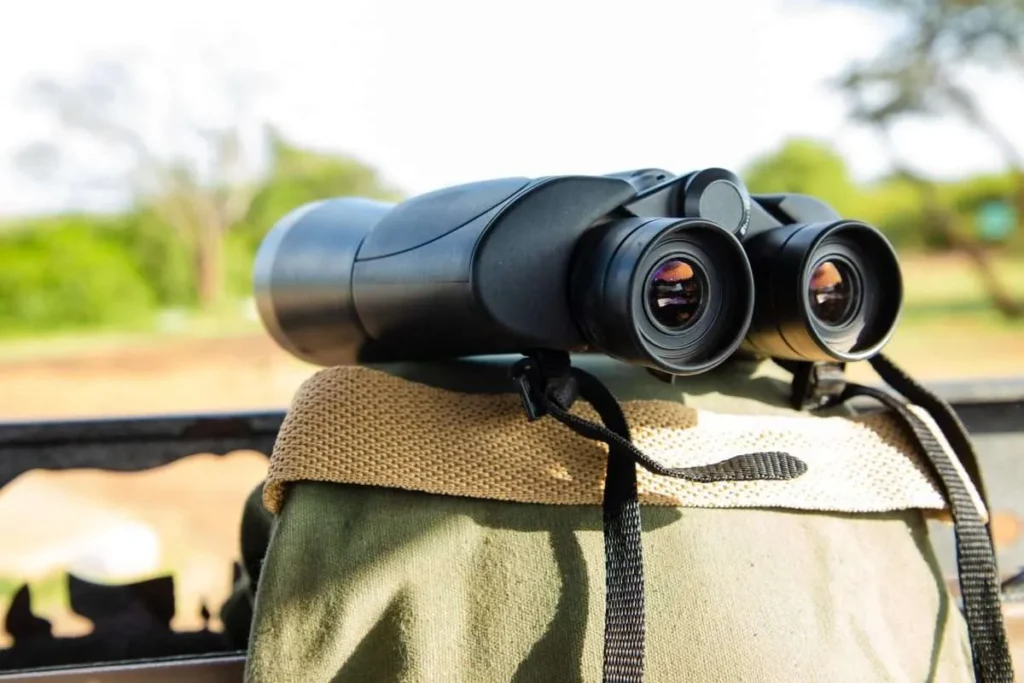
While it is not a requirement, a pair of binoculars will come in very handy when sightings are far. In some instances, you may not be able to go off-road and when that happen, a pair of binoculars are just what you need to avoid missing a one-of-a-kind migration sighting. Binoculars are a great way to get up-close without actually having t get up at all.
During the high season “as known as safari peak season in East Africa”, running from early June until mid-late October, parks can be crowded with people and vehicles. Often, you will find large groups at the more popular Migration viewing sites such as the river crossings, and this is when a pair of binoculars can come in handy.
Expert Tip: Private conservancies are the perfect way to escape some of the crowds for a more intimate experience, with little interruption. There are several Mara Conservancies that will place you in exclusive reach to witness the Mara River Crossings from the la of untrodden luxury.
Still we encourage you to be present and take in every moment of the Wildebeest Migration Experience, you will come across some picture perfect moments that you will want to capture and keep forever.
Whether you have got a high-end DSLR, a pocket-size point-and-shoot or even just your cell-phone camera, make sure to keep your device on you at all times. If you want make use of a drone, make sure to check the regulations for the camps and parks you will be staying at as they may differ from one location to the next. Although typically for guest privacy and wildlife safety reasons, most camps have a no-drone policy.
While photo opportunities abound in the bush, the unpredictable movements of the migrations means your “magic shot” could come at any moment so you should remain attentive and ready at all times.
- Mosquito and Insect Repellent
Depending on when you go, chances are that you are bounds to run into some pesky biters, most especially if you are traveling to East Africa to see the Great Migration during the peak season. Carry some insect repellent with you at all times, particularly during evening game drives when the sun begins to set and the mosquitos and tsetse flies come out to play.
Similar to horseflies, tsetse flies are biting insects found throughout much of Tanzania’s northern circuit parks. If you have ever been on safari in East Africa before, you have probably encounter more than a few Tsetse flies, but if you are a first-timer, these biting insects might catch you by surprise.
Tsetse flies are attracted to black and blue clothing, so we recommend avoiding these colors of safari in East Africa to reduce the risk of attracting them.
- Sun Protection
The intensity of the African sun varies throughout the year, as it can be exceptionally harsh during the warmer seasons. Make sure to always supply sunscreen with a high SPF (at least SPF 50) before heading out, and keep a bottle with you at all times. The sun can quickly become intense, especially after the early morning game drives, which star in the dark but quickly turn to full daylight.
To protect yourself for the scotching rays of the sun, make sure to wear a wide-brimmed hat and sunglasses daily. These items will help shield your safe and eyes from the intense sunlight, ensuring you stay comfortable and protected throughout your safari.
- Clothing
In addition to coverage from the African sun, it is vital to pack lightweight and long-sleeve clothing made from breathable fabrics to provide extra protection against sunburn and to keep cool. Always remember that the strength of the sun is a significant factor in your comfort and safety while on safaris, and you will be spending the greater part of your days outdoors, so preparation is key.
White the temperatures during the peak times for a Serengeti Migration Safari and Masai Mara Migration Safari are warm and range from the mid to late seventies Fahrenheit (mid to late twenties Celsius), you will need to have some layers with you. Mornings and evenings can get quite cold before and after the sun has come out.
Pack layers such as down jackets, sweaters, and anything else you might need to keep warm when it gets chilly. A waterproof jacket is also highly recommended in case of any sudden rains.
If you are tempted to spend your entire vacation in Africa wearing flip-flips or sandals, think again. For bush walks or hiking, you will need closed, walking-friendly shoes to keep your feet covered, warm and protected. Trails shoes and desert boots are ideal, but any comfortable, closed walking shoes will work. Keep the flip-flops and sandals for when you are back at camp of poolside.
- A Portable Charger
Although some safari vehicles used in East Africa have charging points, you may not always be so lucky as to find one. Be prepared. Whether it is for your cellphone or your camera, make sure to have a charger with you if you think you may need one. Of course, prevention is better than cure, so always leave your suite with all your devices fully-charged.
Lodges have universal plug points and USB ports installed for your convenience, so you will have access to charging points when you are within camps.
- Travel Docs, Vaccination Certificates & Medications
By the time you arrive on the continent, we hope you have got all the documents you may need, but we understand that traveling requires a lot and certain items may not make it. Remember to confirm what you need to have with your doctor and travel agents to ensure you have a seamless experience of the Wildebeest Migration in Africa.
While vaccinations technically can’t be packed, they are very important. Make sure to inform your doctor that you will be traveling and where to, and consult them on what vaccines are needed to travel to Africa. We recommend visiting your healthcare provider four to six weeks before your travels to ensure that everything is up to date, and you are in good condition to travel.
Remember, different countries will have different vaccination entry requirements for different diseases. Inform your doctor of all your destinations, and make sure you know which areas require what vaccinations.
Get Ready to Book Your Wildebeest Migration Safari, talk to one of our Travel Consultants Today to begin tailoring the perfect itinerary for you.