Lewa Conservancy
Lewa Conservancy : Spanning on 65,000 acres of pristine wilderness in Northern Kenya, Lewa Conservancy stands as one of Kenya’s most remarkable conservation success stories.
Once a working cattle ranch, the land has been home to the Craig family since 1924. In 1983, they set aside 5,000 acres as a sanctuary to protect the endangered black rhinos. The initiative proved so successful that by 1995, the entire ranch was dedicated to conservation. From protecting rhinos, Lewa’s work has expanded to the conservation of many other wildlife species, as well as catalyzing community-centric conservation across northern Kenya and beyond.
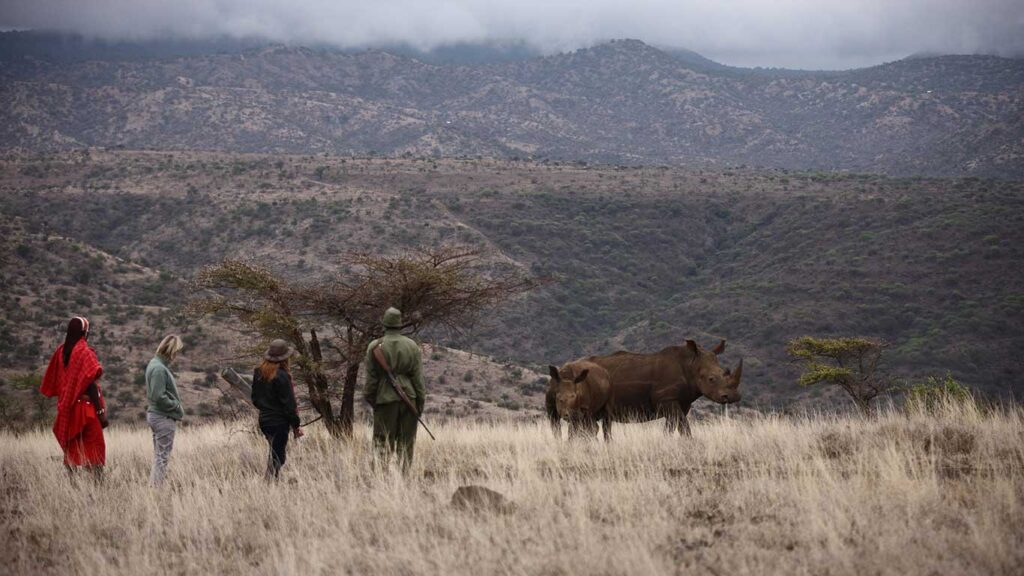
In 2013, Lewa Conservancy partnered with neighboring Conservancy, Borana dropping the bordering fenceline to incorporate a much larger landscape for wildlife, including rhinos, to roam safely.
Surrounded by vast valleys and rolling mountains, the scenic plains of Lewa is a haven for endangered wildlife with a rich history. The conservancy lies just south of Isiolo and north of Mount Kenya, with sweeping views across the mountain’s snow-capped peaks to the south and the rugged Samburu and Mathews Range to the north. Its varied terrain – ranging from grasslands and acacia forests to wetlands supports an impressive diversity of species.
The endemic northern species calling Lewa Conservancy home include the Grevy’s zebra, reticulated giraffe and Beisa oryx, roaming freely, rarer species like the greater kudu, gerenuk, and Sitatunga antelope add to the ecological richness of conservancy.
The swamp and riverine areas provide a sanctuary for Sitatunga, leopards, and prolific birdlife including numerous species of plovers, coursers, bustards and birds of prey. Night game drives in Lewa Conservancy reveal more elusive residents such as aardvarks, caracals and bat-eared foxes.
Today, Lewa Conservancy is home to over 10% of Kenya’s black rhino population and 14% of its white rhinos, alongside thriving populations of lions, elephants, leopards, and buffaloes – making it a superb destination to see the Big Five.
Also, Lewa Conservancy is known for its commitment to community empowerment, education, and anti -poaching initiatives serving as a model for sustainable conservation across Africa. In 2010, the conservancy gained a global attention when Prince William proposed to Kate Middleton during a stay in Lewa, highlighting its serenity, privacy, and timeless natural beauty.
History of Lewa Conservancy
Lewa Conservancy was founded by the Craig family and Anna Merz. The Craig family first arrived in the 1920s and used the land as a cattle ranch for 50 years after being given the land by the colonial government. Unlike other ranchers, they always valued the local resident wildlife and shared it with the animals as well as enabling tourists to visit.
In the 1980s, Anna Merz contacted the Craig family asking if she could build a place to protect rhinos, which were critically threated and facing extinction due to poaching, with just a few hundred remaining.
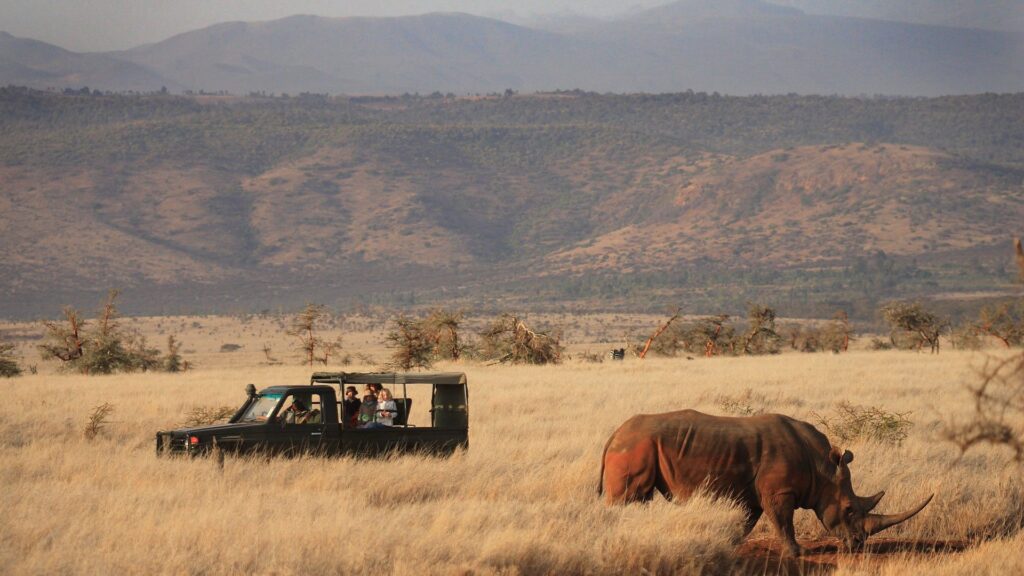
Starting with 500 acres of fenced land, the initiative was a great success with rhinos breeding – guarded by an electric fence and security. The Craigs were then given permission to relocate many of the rhinos in the north of Kenya to protect them from poaching and the then occurring instability.
The breeding and conservation programmes were so successful that tourists from around the world started to visit, leading the Craig family to devote the entire 40,000 acre ranch to form the Lewa Conservancy, a non-profit. The perimeter was fenced, with a few gaps being left to enable animal movements.
Lewa has been home to many famous visitors including HRH Prince William who worked here during his gap year. He loved the place so much that he proposed in Lewa to Kate Middleton when they were on safari together. In addition to the wildlife, Lewa Conservancy is also home to the famous Annual Lewa Marathon with over 1500 runners. The Marathon has raised over $8m in its 20-year history and weaves its way through the park, making it one of the most picturesque marathons in the world.
Wildlife in Lewa Conservancy
Lewa Conservancy for being home to some of the rarest wildlife species in the world, including 214 black and white rhinos – the most in any safari park in the world. The sanctuary sits within a volatile region where banditry and poaching were prolific.
Over 90% of all Grevy zebras found outside captivity can be found at Lewa as well as reticulated giraffes.
Also, lions, cheetahs, wild dogs, leopards, and a range of birdlife can be found in the conservancy, making it one of the most ecologically diverse parks in the country.
During the migratory period, Lewa Conservancy also sees an influx of animal activity with over 400 elephants traversing the grounds during each cycle. Visitors can witness the spectacle from a purpose-built Elephant Underpass.
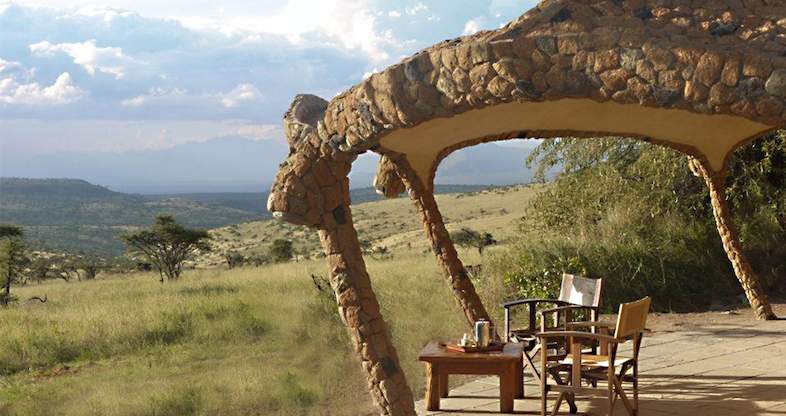
Where to stay in Lewa Conservancy
Lewa Conservancy has some of the most luxurious accommodation facilities, these include
- Elewana Lewa Safari Camp
- Lewa Wilderness Camp
- Lewa House
How to Get to Lewa Conservancy
Also known as the Lewa Downs, Lewa Conservancy is found in Meru County, just north of the Equator in Northern Kenya. From Nairobi it is a journey of 4-hour drive and is it is easily accessible by road.
It is also possible to fly from Nairobi to Lewa Conservancy, there are direct flights from Wilson Airport to the airstrip in Lewa. These flights are offered by SafariLink and AirKenya, running a reliable network connecting most of Kenya and will enable you to get to your onward destinations such as the coast.
When to visit Lewa Conservancy
Lewa Conservancy is a year round destination, however the best time to visit is from June to September and December to March. With the climate change, the seasons have shifted and are less reliable so as long as the camps are open, there is likely to be good viewing.
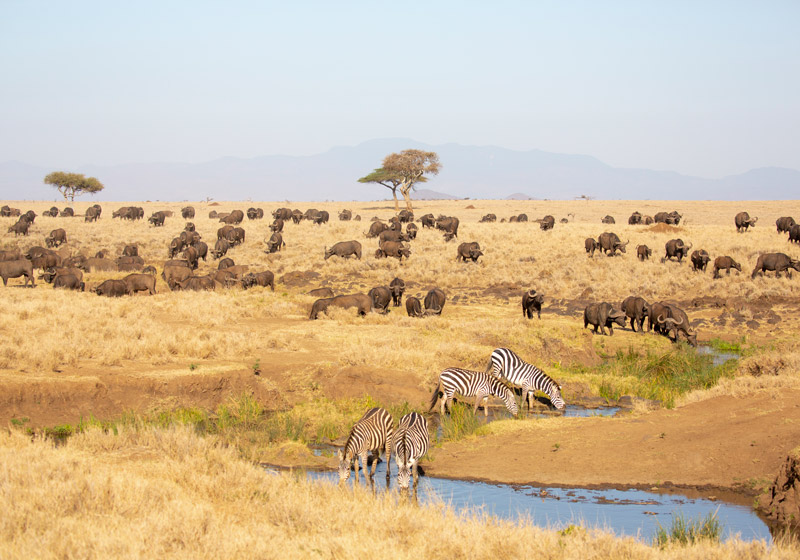
Most of the year is dry season, when conditions are best for safari and sightings are more common due to wildlife gathering around water sources. However, the rains bring an extraordinary transformation in the landscape, when the arid, brown grasses burst with greens and colour. Most animals in the reserve are delighted when the rains finally move.
The unpredictable weather patterns during the main wet season are from April to June, means that excursions might be cancelled at the last minute. This means that excursions might be cancelled at the last time. The short rains occurring between October and December can sometimes disrupt a safari, but generally are short and only last a few hours.